
 Loading
Have you ever thought about what keeps your cash safe from counterfeiters? Today’s banknotes are full of smart security features that make them tough to copy and easy to check.
From see-through polymer windows to colour-shifting inks that change as you tilt the note, these details mix advanced technology with creative design.
In this blog, we’ll explore some of the most fascinating banknotes from around the world and the clever tricks that keep them secure.
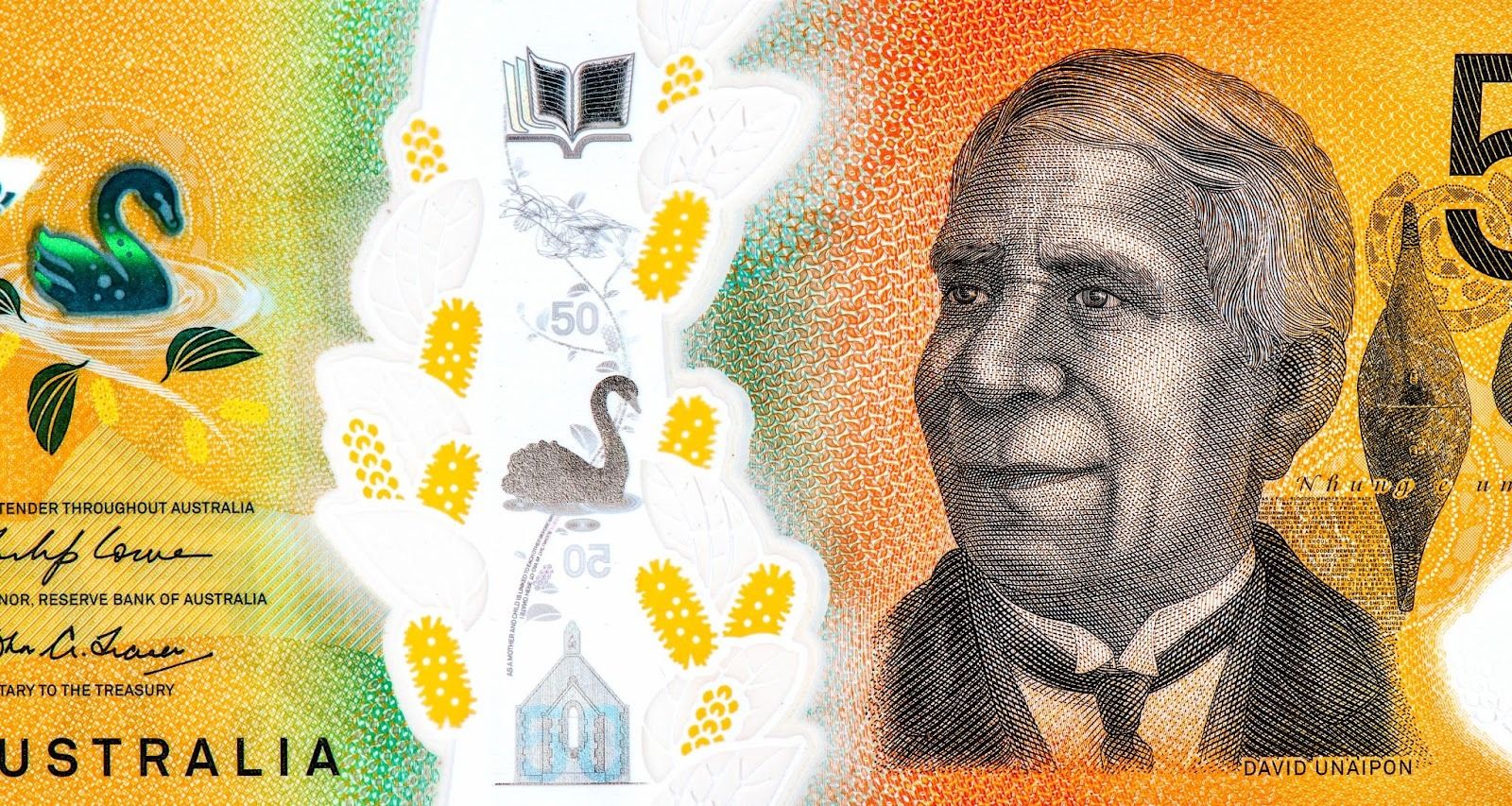
Australia: The polymer pioneer (AUD $50)
In Australia, the $50 note is a trailblazer in polymer banknote design. First released in 1996, it includes a clear window featuring a detailed image of a flying black swan.
Tilt the note, and you’ll see a rolling colour effect that shifts from green to gold. Look closer and you’ll find tiny lines of microprinting with excerpts from the Australian constitution, visible only under magnification.
There’s also a tactile patch of raised dots to help visually impaired people identify the note, and a shadow image of David Unaipon that appears when you hold it up to the light.
Got some Australian notes tucked away? Leftover Currency makes it easy to turn them into usable cash.
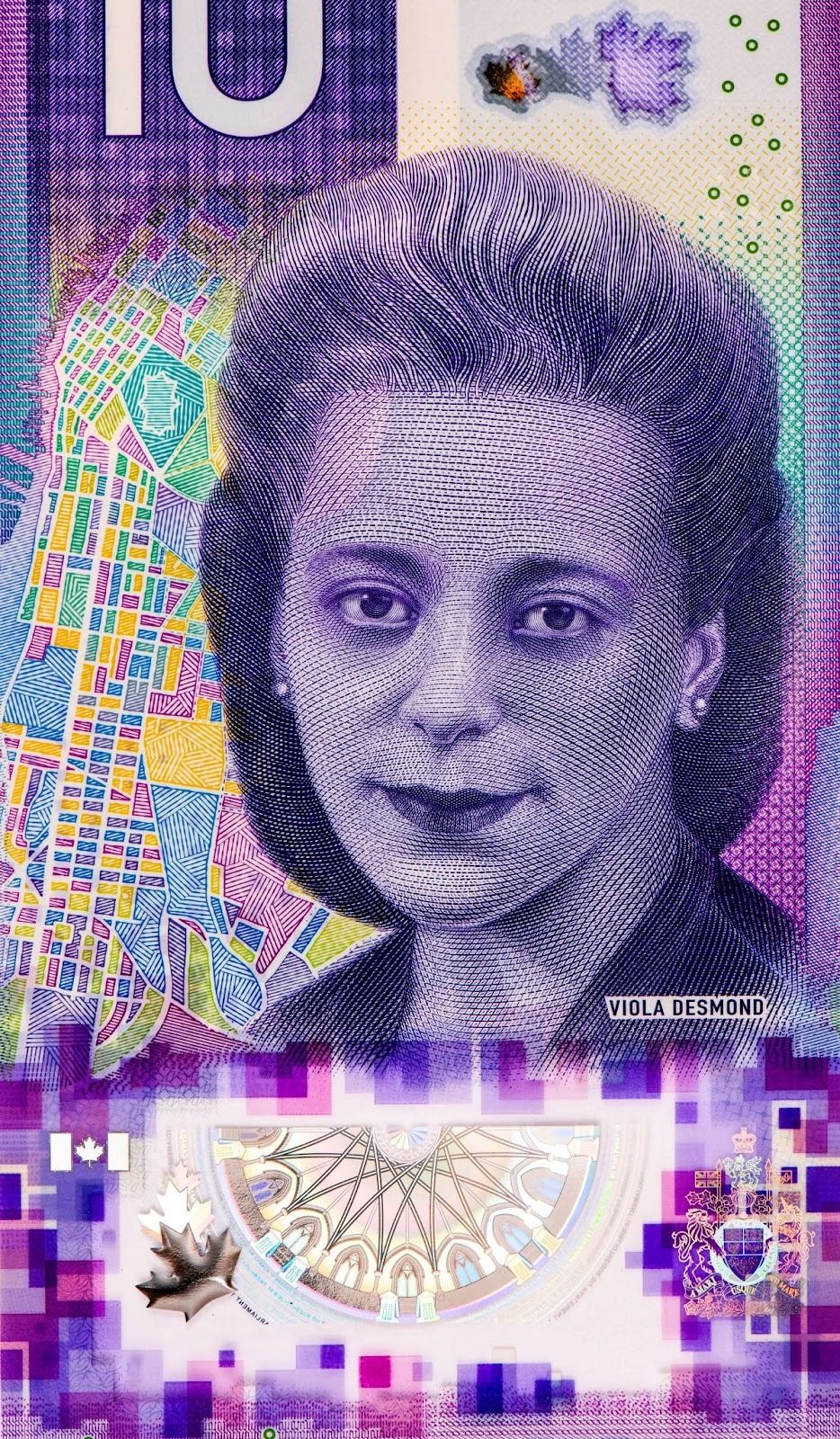
Canada: See-through wonders (CAD $10)
Canada’s vertical $10 note, released in 2018, takes the see-through design to the next level. A large transparent window runs down one side, displaying a metallic portrait of Viola Desmond alongside the Canadian Museum for Human Rights.
The museum building is printed in colour-shifting metallic ink, producing a shimmering effect when moved. Scattered holographic maple leaves dance across the window, while raised ink on the large numeral and on Desmond’s name makes the note easy to recognise by touch.
Leftover Currency gladly accepts Canadian dollars, helping you exchange your unused notes with ease.
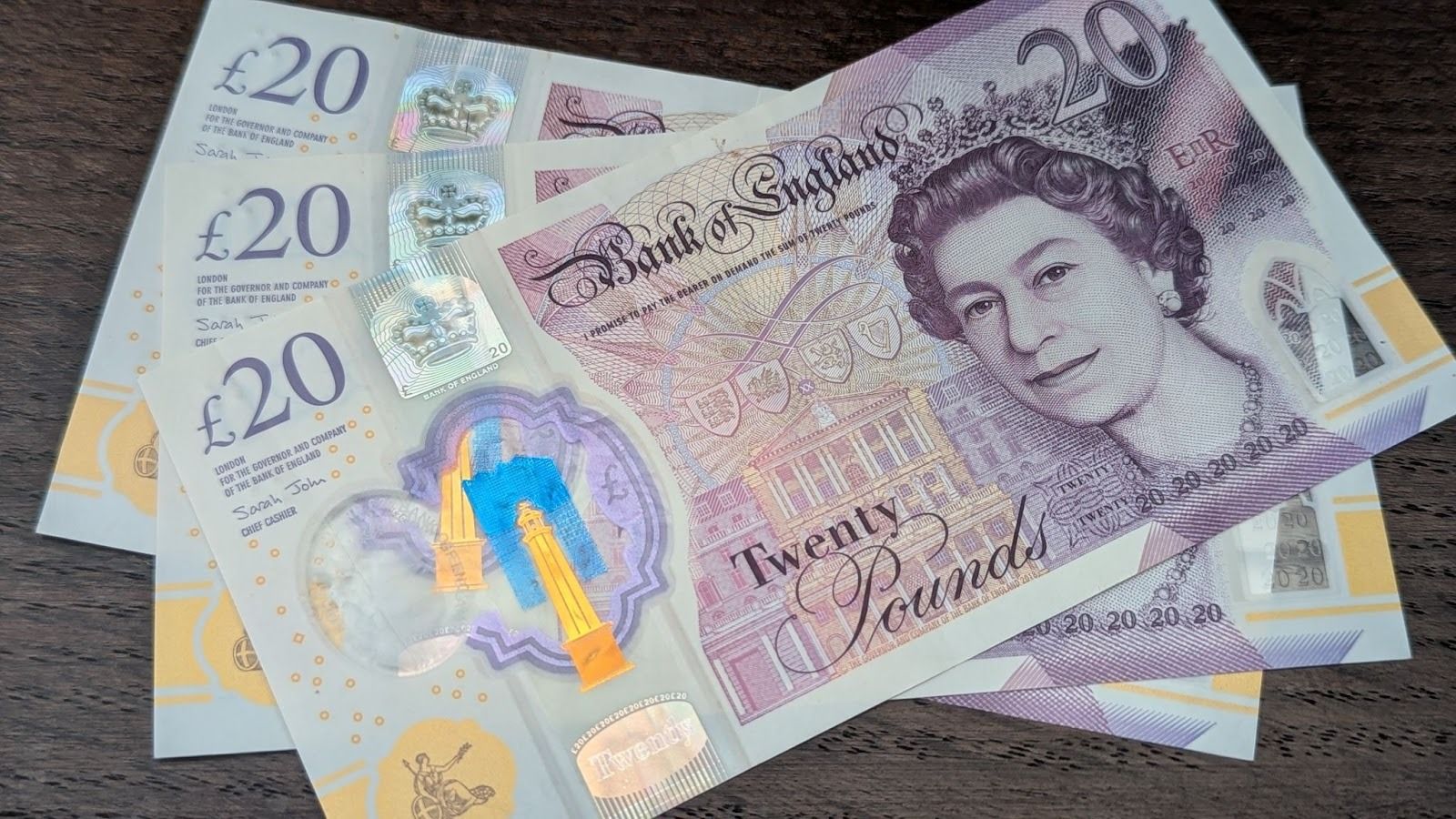
United Kingdom: The polymer note combining art and security (GBP £20)
The United Kingdom’s polymer £20 note, featuring the artist J.M.W. Turner, incorporates a see-through window with silver foil. A dynamic hologram shifts between a crown and the number 20 as the note moves, creating a sense of depth.
The portrait of Turner and the text “Bank of England” are printed using intaglio techniques, giving them a distinct textured feel. A purple foil patch in the shape of the letter “T” serves as a subtle nod to the artist’s name, while fine microlettering runs along the note’s edges.
If you’re holding any British pounds, Leftover Currency accepts them all, making the exchange quick and hassle-free.
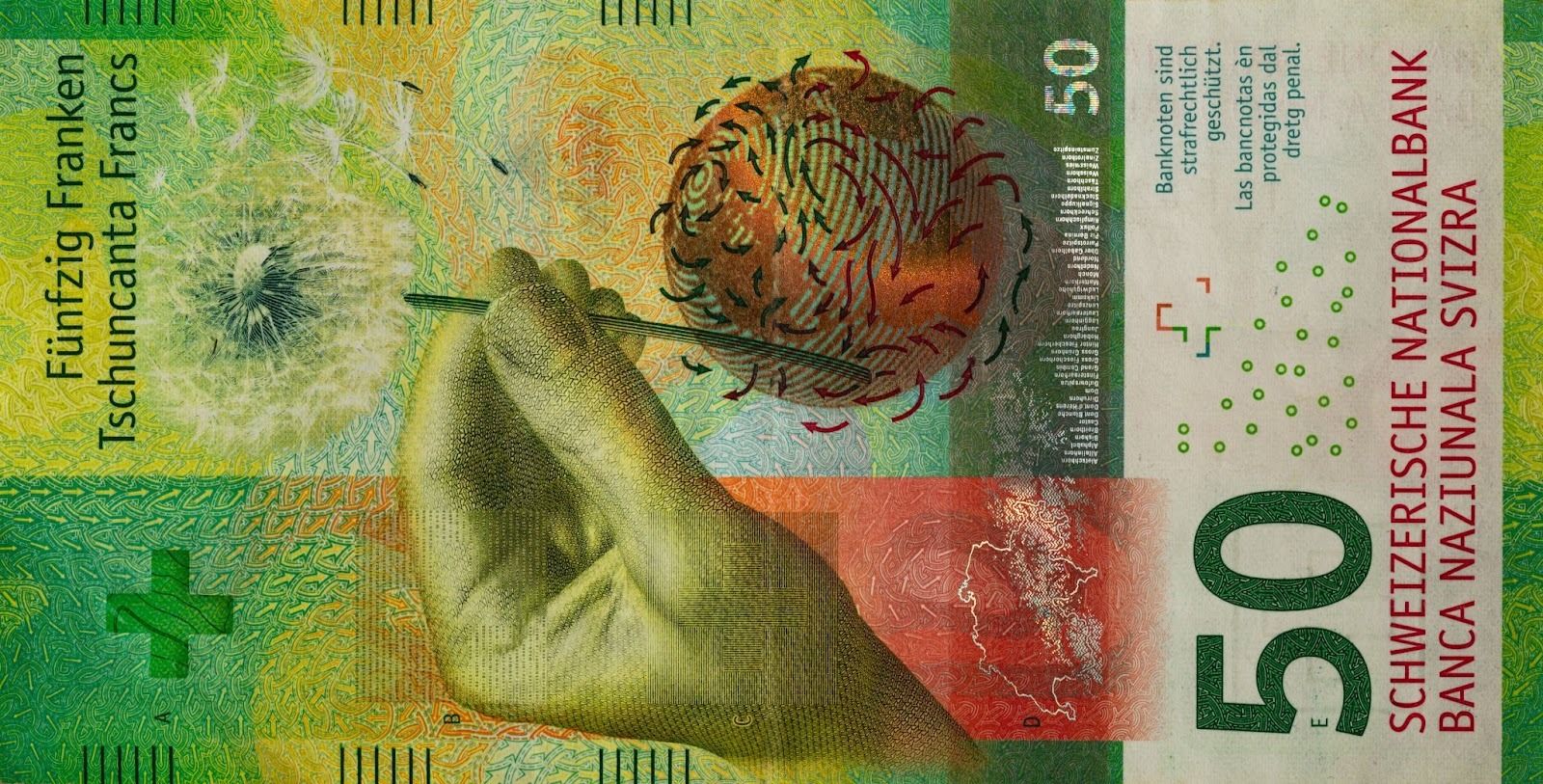
Switzerland: Micro-artistry (CHF 50)
Switzerland’s 50 franc note, themed around wind, is considered one of the most secure banknotes in the world. Its surface is covered in tiny microtext that forms part of the background landscape.
The large numeral 50 changes from green to blue depending on the angle of light, while ultraviolet printing reveals hidden Swiss crosses and wind patterns.
The note also contains tactile elements for accessibility and a transparent window showing a globe with wind currents swirling across it, produced using complex multi-layer printing.
Leftover Currency takes Swiss francs from every series, making it easy to turn your leftover notes into cash.
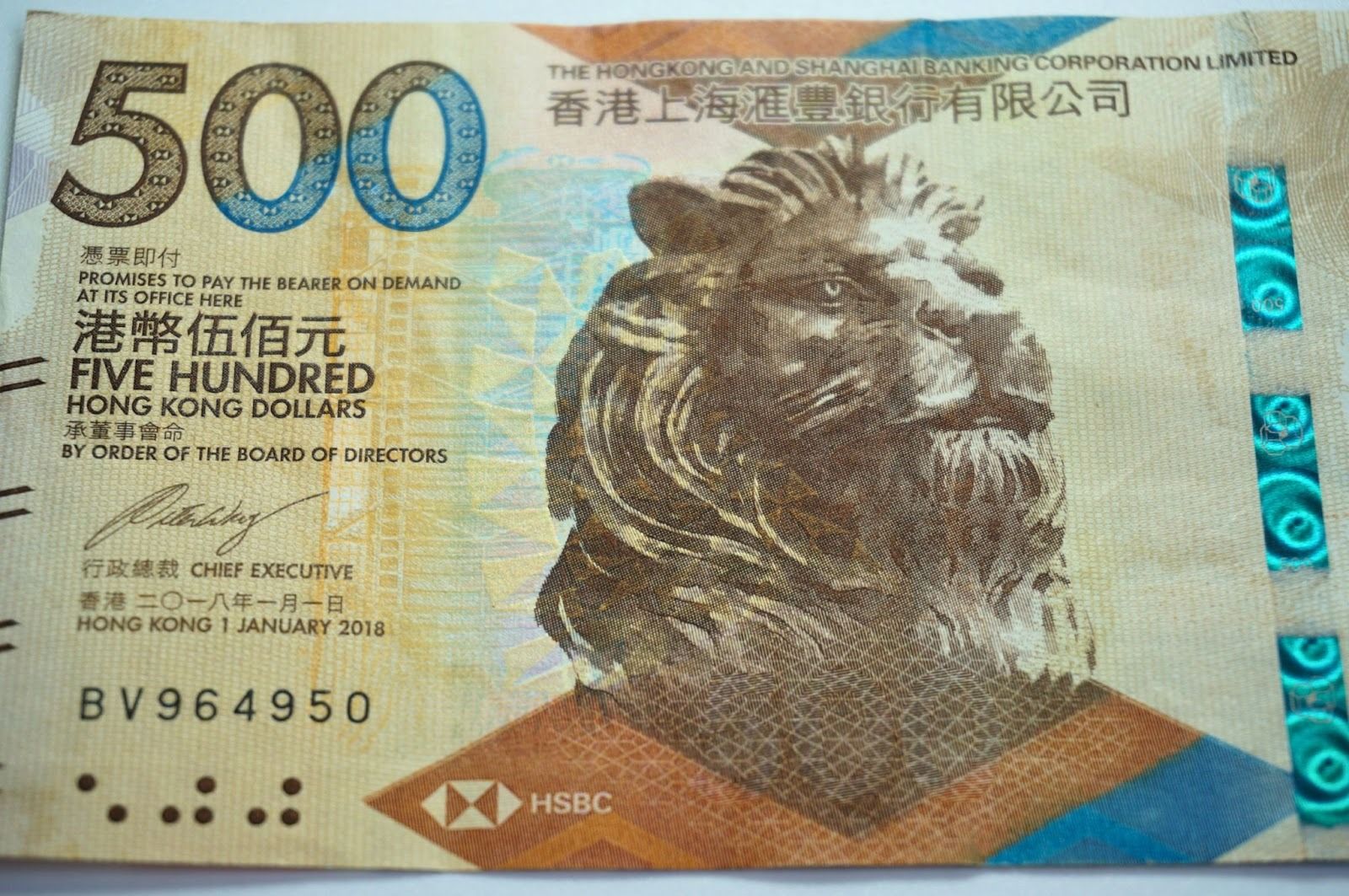
Hong Kong: Hidden under UV (HKD $500)
In Hong Kong, the HSBC $500 note hides some of its most impressive features in plain sight.
A watermark of the bank’s lion mascot emerges when held to the light, accompanied by a windowed security thread that shifts colour from green to purple. Under ultraviolet light, a series of floral patterns and the denomination glows in vivid colours.
The front and back of the note contain partial images that align perfectly when the note is held up, a feature known as a see-through register. Raised printing on the text and numerals completes the security package.
You can send any Hong Kong dollars you have to Leftover Currency for a seamless exchange process.
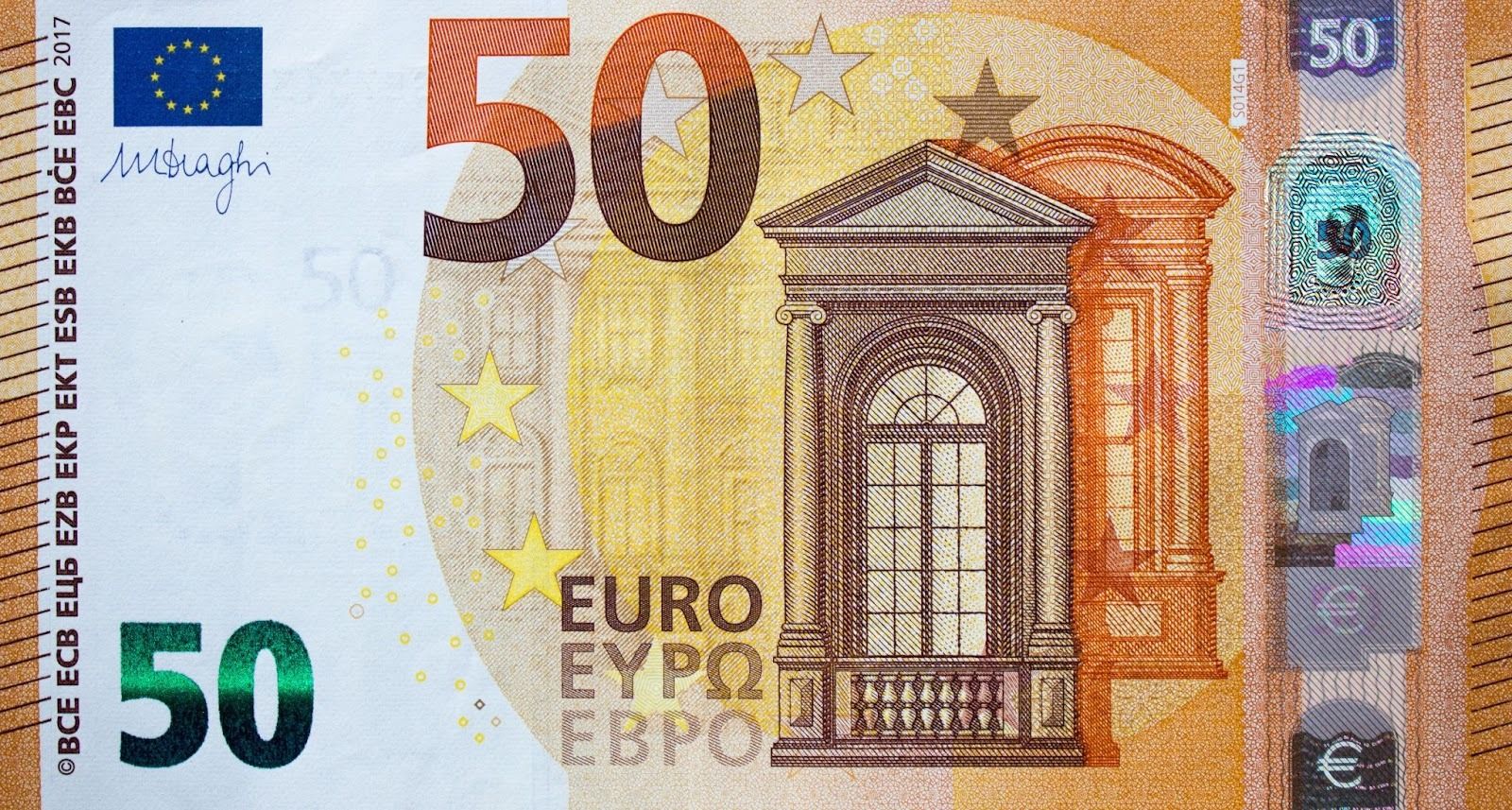
Euro: Colour and shape for all (€50)
The €50 note is one of the most frequently used banknotes in Europe, and it carries multiple layers of protection. In its transparent window is a portrait hologram of Europa from Greek mythology.
Above this, the satellite hologram shows tiny euro symbols that move as the note is tilted. The large numeral on the front is printed in an emerald ink that changes from green to deep blue depending on the angle.
For the visually impaired, a series of raised lines runs along the edges of the note, and the embedded security thread becomes visible in the light, showing the “€50” and the euro symbol in miniature.
Leftover Currency accepts all euro banknotes, so you can easily exchange your foreign currency without hassle.
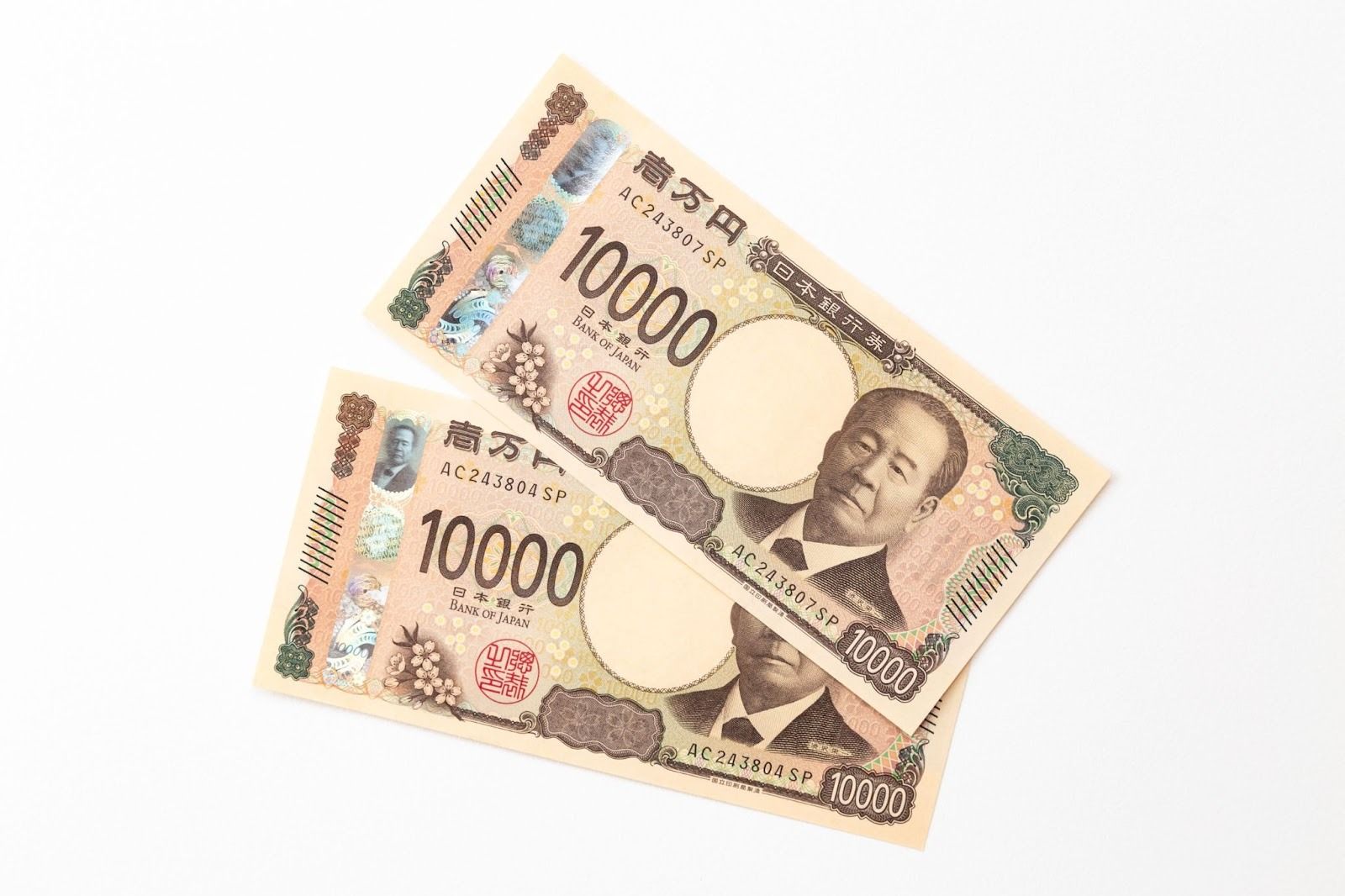
Japan: portraits that pop (JPY ¥10,000)
Finally, Japan’s ¥10,000 note features a finely detailed portrait of Yukichi Fukuzawa. The portrait, along with the large denomination numerals, is printed using intaglio techniques, producing a raised texture that can be felt with the fingertips.
A faint watermark of Fukuzawa’s face appears when the note is backlit, and a holographic patch in the corner reveals a 3D version of the note’s value.
Microprinted text forms part of the shading around the portrait, while special luminescent ink makes certain features glow under ultraviolet light.
Leftover Currency welcomes Japanese yen notes from any series, ensuring you can exchange your leftover yen quickly and safely.
Takeaways
Currency is more than just a tool for spending; it’s a blend of art, technology, and security woven together to protect value and tell stories.
From the shimmering holograms on Canada’s $10 note to the tactile dots on Australia’s $50, each feature invites us to look closer and appreciate the craft behind the cash.
For travellers and collectors alike, understanding these hidden details turns everyday money into a fascinating discovery.
So next time you come across a foreign banknote, pause for a moment – you might be holding a marvel of design and innovation, and maybe even a collectable worth more than its face value.
Got leftover currency?
If you’ve got notes from any of these countries sitting in a drawer, you can turn them back into spending money. Head over to our site and exchange them in a quick and simple few steps.